Revitalize Your Space: Essential Facts Regarding Home Renovation Work for Each House Owner
Residents commonly search for ways to improve their homes via professional remodeling. These projects can range from small kitchen fixes to comprehensive home makeovers. Being aware of the possibilities is vital for choosing intelligently. Moreover, one must consider practical considerations like budgeting and choosing the right builder. As householders start this endeavor, they may run into surprising obstacles. Achieving a successful makeover depends on meticulous preparation and implementation. What should be done subsequently?
Understanding the Different Types of Residential Renovation Work

As householders look to improve their homes, they often encounter numerous renovation options designed for specific preferences and preferences. These options can be widely classified into several types, all dealing with certain elements of home improvement. Renovating the kitchen involves modernizing fixtures, cabinetry, and floor plans to improve usability and aesthetics. Bathroom remodeling typically involves improving the fittings, tiling, and shelving options for improved comfort and visual flair.
Whole-home remodeling encompasses extensive modifications to the entire house, frequently involving changing the structure to make the most of the space and flow. Exterior remodeling services, in contrast, aim to improve curb appeal, handling the exterior walls, the covering, and the garden design. Additionally, specialized services including converting the cellar and upgrading the attic allow homeowners to maximize neglected parts of the home. All these service types provides distinct advantages, enabling homeowners to choose options that align with their vision for their residence. Understanding these distinctions is crucial to deciding intelligently during the renovation process.
Creating an Attainable Financial Limit for Your Home Improvement Work
How do property owners make certain their remodeling projects remain economically sound? Creating a sensible budget is essential. It is advisable for homeowners to begin by assessing their monetary resources, including savings and potential financing options. This preliminary action will help determine the amount that can be set aside for the renovation without compromising other financial responsibilities.
Next, homeowners must research the costs associated with their desired renovations, including materials, labor, and surprise expenses that tend to crop up. Creating a detailed list of priorities helps with identifying must-haves versus nice-to-haves, making it possible to adjust if funds become check now limited.
It is smart to incorporate a reserve fund, typically around 10-20% of the total budget, to cover unexpected costs. Regularly reviewing and adjusting the budget throughout the remodeling process can further assist in keeping finances in check. Finally, a thoroughly prepared budget does more than just confirm the project can be done but also enhances the overall remodeling experience for homeowners.
Choosing the Right Contractor to Suit Your Project.
Choosing the appropriate professional can significantly affect how well a renovation turns out. Homeowners should begin by conducting thorough research, seeking recommendations from friends, family, or online reviews. It’s vital to verify credentials, like licenses, insurance, and bonds, to confirm legitimacy.
Once potential contractors are identified, property owners must ask for comprehensive quotes and schedules, allowing for informed comparisons. Meeting with them offers a look at their manner of communicating and their professional conduct, which are essential for a collaborative process.
In addition, looking at completed jobs through galleries or recommendations can reveal a contractor's quality of workmanship. Homeowners should also inquire about warranties or guarantees, which shows the professional's belief in their output.
Ultimately, selecting a contractor who aligns with the homeowner’s vision, budget, and timeline creates a better renovation journey, making certain the outcome satisfies needs and changes the space as intended.
Planning and Designing The Space You Envision.
As homeowners envision their ideal spaces, thorough preparation and well-considered layout are crucial elements of a triumphant renovation effort. The initial phase includes assessing present requirements and long-term goals, which permits a comprehensive grasp of the room's intended function. When planning, homeowners should evaluate practicality, aesthetics, and personal style, making sure the design captures their distinctive choices.
Next, establishing a thorough budget is crucial. This budget should cover supplies, workforce costs, and contingency funds. Consulting with design experts can give meaningful advice, helping to optimize the space while adhering to budgetary constraints.
Integrating components like natural light, spacious designs, and sustainable materials can enhance the overall experience. In conclusion, seeing the project via sketches or digital renderings can assist in finalizing plans before implementation. By approaching the planning and design phase with intention, homeowners can create an inviting, efficient space suited to their way of life.
Dealing with Permits and Building Codes in Residential Projects
Grasping the intricacies of permits and rules can be daunting for homeowners starting on a remodeling project. Every local government sets particular guidelines that determine what is allowed during renovations, often influenced by area restrictions, construction standards, and safety standards. Homeowners must familiarize themselves with local regulations so they don't incur hefty fees or project delays.
In most cases, getting permits is mandatory for major changes, such as modifying load-bearing elements or electrical work. This process often involves submitting plans for review and could involve check-ups at various stages.
Hiring an experienced builder can simplify this process, as they are usually well-versed in local regulations and can help manage the documentation. It is important for homeowners to communicate regularly with the municipal planning office to guarantee compliance throughout the project. By grasping and navigating these regulations, homeowners can achieve their remodeling goals while guaranteeing that the work is safe and legal in their renovations.
Common Queries
How Long Does a Typical Home Remodeling Project Take?
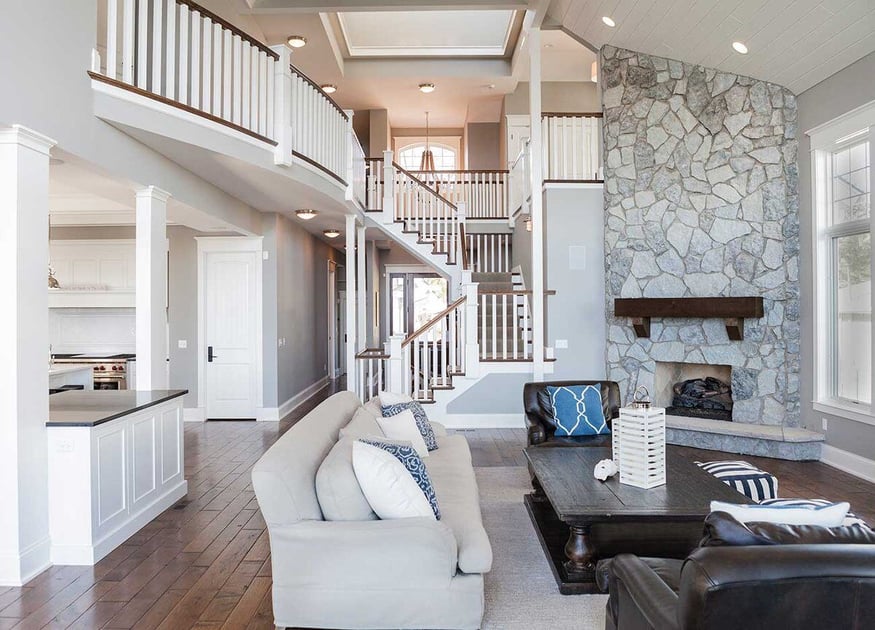
The average remodeling job typically spans between three to six months, contingent upon the extent of the project, size of the home, and supply chain status. Intricate jobs could demand more time for completion.
What are some typical errors to avoid when renovating?
Frequent errors during remodeling are things like failing to budget properly, ignoring necessary permits, missing scheduled deadlines, poor communication with your builders, and failing to think about long-term functionality. Knowing these potential problems helps ensure a smoother, more successful remodeling experience.
How should I go about choosing the right materials for the job?
Selecting appropriate supplies means considering how long they will last, visual appeal, and budget. Looking into different products, consulting professionals, and thinking about upkeep will significantly help in making informed decisions, making sure the renovation matches with personal and functional requirements.
Can I live in my home while the remodeling is happening?
It is possible to remain on the premises while work is ongoing, but you should expect some hassle. Thorough preparation, clear communication with contractors, and designating specific areas where you can live normally can help minimize disruption while the work is underway.
What guarantees should I look for by my builders?
Clients typically receive warranties that guarantee the quality of the work, the products installed, and key building elements, typically ranging from one to ten years. It is essential to examine specific terms and conditions in partnership with the renovation company to clearly grasp what is covered and what is excluded.